

HiltonC
Most industrial capital projects treat fire protection engineering the same way they treat commissioning documentation — something to finalize before handover, not something to drive from the start. That instinct is wrong, and it’s expensive. When fire protection enters a capital project late, the engineering team is no longer designing a system. They’re negotiating with decisions already locked in concrete and steel.
The cost of late integration isn’t theoretical. It shows up as rerouted firewater mains around equipment that was never clearance-checked, detector locations that don’t cover what they’re supposed to because ceiling heights changed in a revision nobody flagged, and suppression systems that can’t achieve required flow rates because the pump specification was issued before the hazard analysis was complete. Fix it before steel goes up and it’s a red-line markup. Fix it after and it’s a change order — or a regulatory rejection that delays startup.
This is the engineering case for integrating fire protection into every project gate, from pre-FEED through final commissioning.
Why Fire Protection Gets Treated as a Late-Stage Discipline
The pattern is structural, not accidental. On most capital projects, fire protection is classified under civil/structural or a mechanical discipline umbrella. It competes for engineering hours with processes that have clearer critical-path visibility — equipment sizing, process flow, structural loads. When schedule pressure arrives, which it always does, fire protection reviews get deferred to a later phase. By the time a dedicated fire protection engineer has full access to the project’s frozen documents, the decisions that constrain their work have already been made.
There’s also a contractual dynamic at play. Engineering, procurement, and construction contractors have an incentive to defer fire protection scope until the design is stable. The problem is that “stable” in project terms means issued for construction — which is too late to redesign a firewater loop or relocate a pump room without a major cost event.
Saudi Aramco’s project delivery standards have long recognized this problem. The SAES engineering framework requires fire protection engineering inputs at each project stage, not as a final deliverable. Facilities that follow that requirement from pre-FEED onward consistently reach commissioning with fewer field modifications. Those that treat SAES fire requirements as a checklist to complete before inspection consistently encounter the expensive kind of surprises.
What Fire Protection Engineering Should Deliver at Each Project Gate
Integrating fire protection early doesn’t mean producing full system designs before the process is defined. It means producing the right deliverables at each phase to protect downstream decisions. Here’s what that looks like in practice:
- Pre-FEED and FEED: Hazard identification and preliminary fire risk assessment. This phase should establish the fire hazard categories for each process area, inform equipment spacing and separation distances, and flag any areas where prescriptive code may not be adequate. The firewater demand estimate — even a conservative one — must be in hand before plot plan layouts are fixed. Moving a compressor train after FEED is approved because the fire risk assessment identifies a separation conflict costs orders of magnitude more than doing the work in FEED.
- Detailed Design: Full system engineering — hydraulic calculations, equipment specifications, detection and suppression layouts, structural fireproofing schedules, and ESD integration logic. NFPA design standards (13, 15, 20, 24, 72, and others depending on facility type) and applicable SAES requirements are applied here in full. Interfaces with process, instrument, and structural disciplines need active coordination, not sequential handoffs.
- Procurement: Fire protection equipment specifications must be issued with enough lead time to source compliant equipment. Fire pumps, foam concentrate systems, and specialized suppression hardware have long lead times. A fire pump specification issued six months before commissioning is a schedule risk. Issued during detailed design, it isn’t.
- Construction: Fire protection engineers should be reviewing shop drawings and responding to requests for information in parallel with construction, not after the fact. Field deviations from issued-for-construction drawings — a relocated valve, a changed penetration, a modified ceiling height — can compromise system performance if they’re not evaluated in real time.
- Commissioning and Acceptance Testing: Functional testing of every fire protection system before beneficial occupancy, conducted against an acceptance test procedure developed from the design basis. This is not a walkthrough. It is an engineering verification that the installed systems perform as designed under the conditions they were designed for.
The Firewater System: Where Late Integration Hurts Most
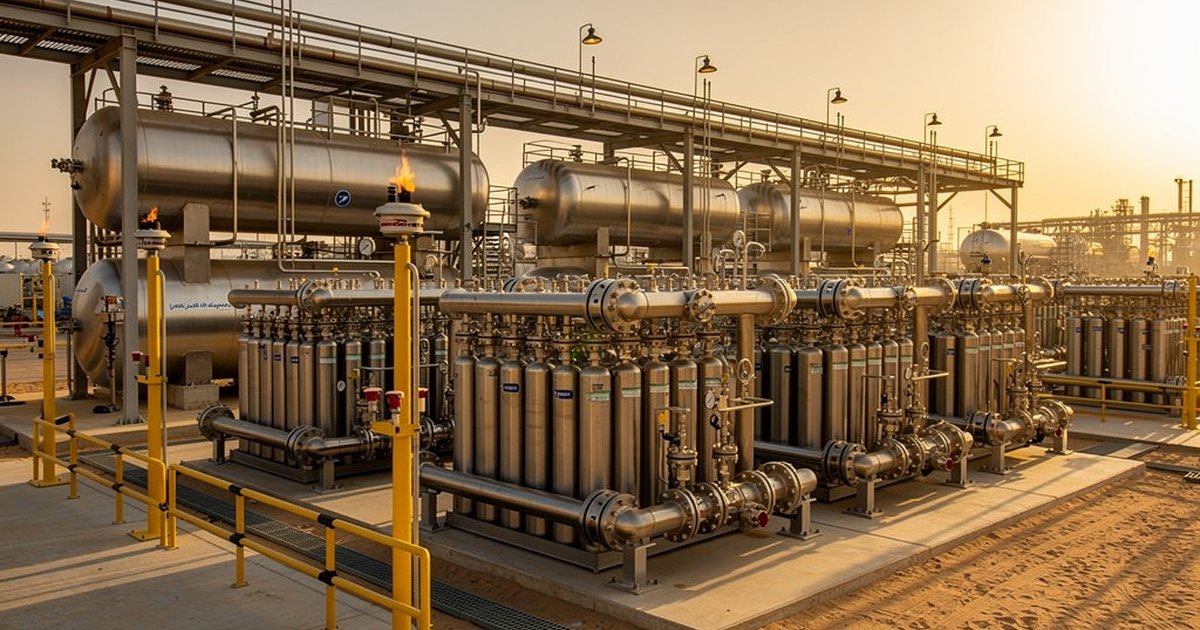
Of all fire protection systems in a process facility, the firewater distribution network has the longest dependency chain and the highest cost to correct after installation. The ring main routing is constrained by plot plan. The pump station location is constrained by the electrical infrastructure. The storage volume is constrained by available land. All of those decisions are made in FEED. If the fire protection engineer isn’t at the table during FEED, the firewater system gets designed around constraints that nobody analyzed from a fire demand perspective.
The specific consequence is a system that can’t meet simultaneous demand. NFPA 24 and relevant SAES requirements address firewater supply to the most demanding combination of fire scenarios — not to the average scenario or the most likely scenario. When the demand calculation is done after the pump and storage specifications are frozen, one of two things happens: the system is found to be undersized and the specifications have to be revised at significant cost, or the deficiency is papered over and the facility operates with a fire protection system that won’t perform in its worst-case credible scenario.
Neither outcome is acceptable. Both are common when fire protection engineering enters the project late.
ESD Integration: The Interface Nobody Owns Until It’s Too Late
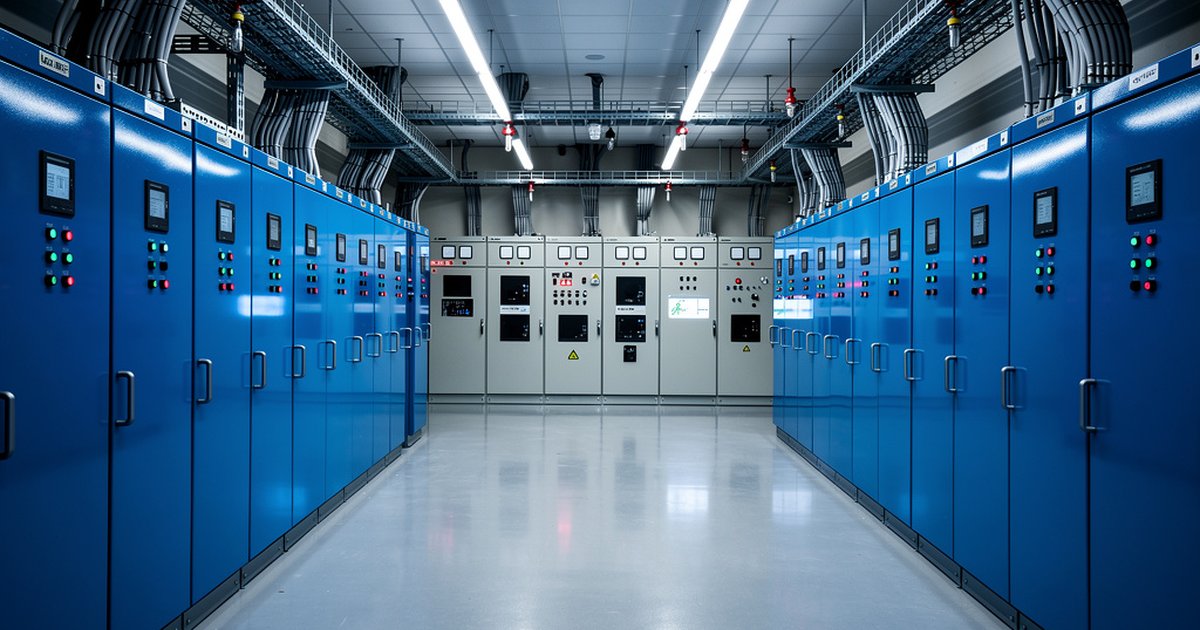
Emergency Shutdown systems and fire protection systems are deeply interdependent. Deluge systems require ESD logic to initiate. Gas detection events drive process isolation sequences that determine which suppression systems activate and when. ESD valve positions affect firewater pressure availability. When fire protection engineering and process/instrument engineering run on parallel tracks without a defined integration interface, the result is almost always the same: conflicts discovered during commissioning, when the cost of resolution is maximized.
The engineering solution is straightforward: a fire protection cause-and-effect matrix developed in parallel with the instrument engineer’s ESD cause-and-effect, with formal reconciliation at each design review. In practice, this requires project management to recognize fire protection as a peer discipline in the coordination structure — not a specialty consultant brought in to check a box. Saudi Aramco project standards require this coordination. Facilities executing projects under those standards with a genuine commitment to the requirement consistently reach commissioning with fewer cross-discipline conflicts.
What Saudi Civil Defense and SAES Expect from a Capital Project
Saudi Civil Defense approval is a project delivery requirement, not a post-construction aspiration. The approval process requires submitting fire protection designs for review and obtaining the necessary permits before construction — which means the designs have to exist and be complete. Projects that defer fire protection engineering to detailed design’s later stages routinely find themselves in a sequential dependency: construction is ready to proceed but the fire protection design is not complete enough to submit for Civil Defense review. The result is either a schedule delay or construction that proceeds without the necessary permits, creating a compliance exposure that has to be resolved before occupancy is granted.
SAES requirements layer on top of Civil Defense’s prescriptive requirements in important ways. Saudi Aramco’s engineering standards address hazards specific to the process industries — hydrocarbon inventories, high-pressure releases, outdoor environments with extreme ambient temperatures — that require engineering beyond what general building codes address. Meeting both layers simultaneously requires fire protection engineering that starts early, has access to full process data, and has a defined coordination structure with every other engineering discipline on the project.
The Bottom Line
Fire protection engineering in a capital project is not a specialty add-on. It is a core discipline with critical-path dependencies that run through every project phase — from hazard identification in pre-FEED to acceptance testing at commissioning. Facilities that integrate fire protection engineering at every project gate arrive at startup with systems that perform as designed, regulators that have approved what was built, and a commissioning team that isn’t negotiating field modifications under schedule pressure.
Facilities that treat fire protection as a late-stage compliance exercise pay for that decision in change orders, commissioning delays, and regulatory rejections — and then continue paying for it in systems that were never quite right because the decisions they depend on were already locked in.
The engineering isn’t complicated. The discipline to do it in the right order, at the right project stage, with the right coordination structure — that’s where facilities consistently fall short. It’s also where Ignis Sentinel Engineering adds the most value.
Work With Ignis Sentinel Engineering
Need a fire risk assessment, a third-party plan review, or an NFPA/SAES
compliance check for your facility? Our engineers help Saudi and international
industrial operators design safer operations.