

HiltonC
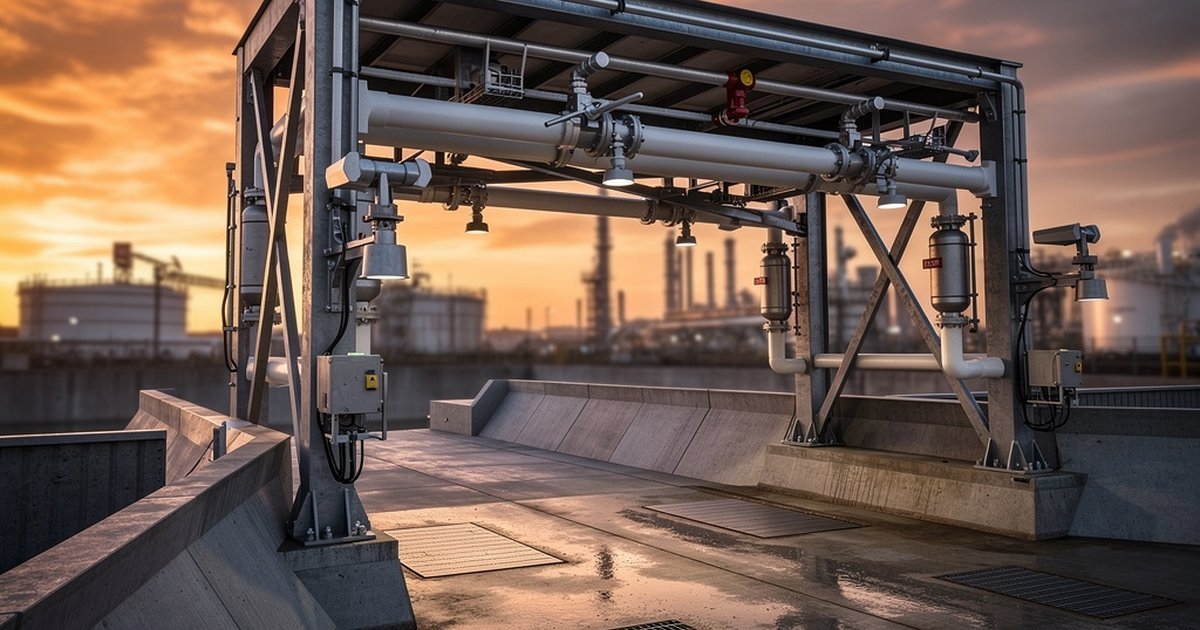
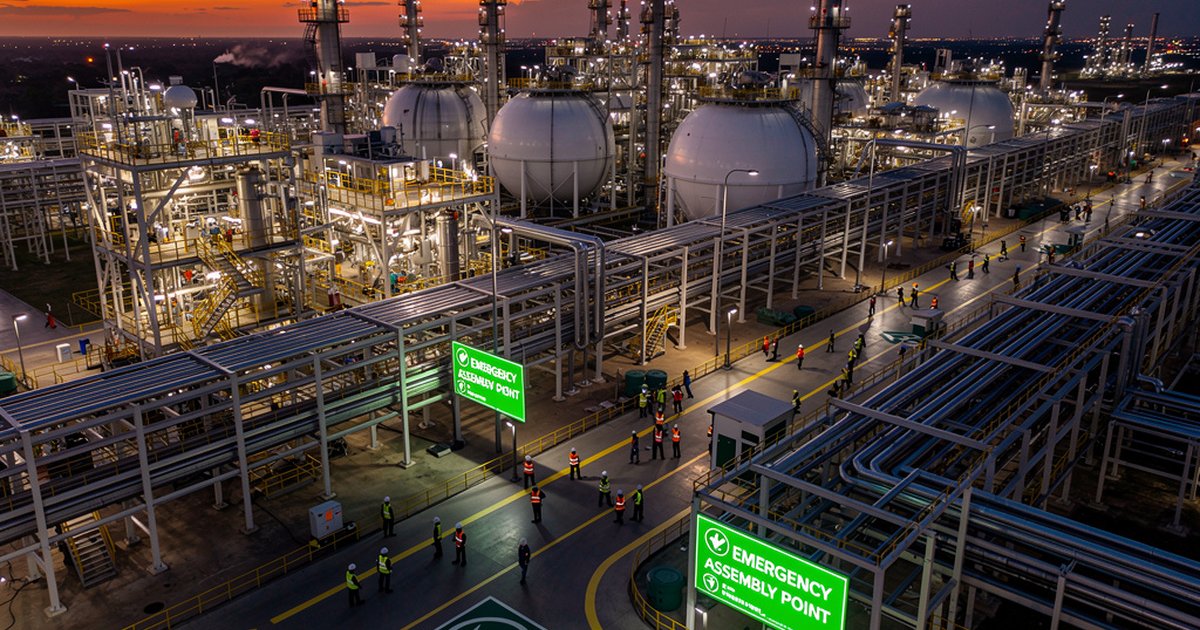
A truck-tanker pulls into a loading bay at a petrochemical terminal. The driver connects the bottom-loading arm, the pump starts, and within seconds the facility is moving several hundred liters of flammable liquid per minute through an open transfer point. It happens dozens of times a day, often without incident — and that routine is precisely the problem. Familiarity breeds complacency, and in flammable-liquid loading operations, complacency kills. When an ignition event occurs at a loading rack, it escalates quickly: pooling liquid, vapor clouds at ambient temperature, limited structural protection on an open gantry, and personnel in close proximity who cannot immediately evacuate. Loading racks and fuel transfer stations are among the highest-consequence, fastest-escalating hazards in any refinery, distribution terminal, or chemical plant — and they are consistently under-engineered.
Why Loading Racks Are a Fire Engineering Category of Their Own
Most fire protection engineers are comfortable specifying systems for process units, pump stations, and tank farms. Loading racks occupy a different design space. They combine elements of three different hazard categories: liquid storage (spill exposure), process piping (pressurized transfer), and occupied work areas (driver presence, vehicle ingress). No single prescriptive chapter of NFPA covers all of it in one place. Engineers who apply a generic water spray or foam system without working through the specific fire scenario are leaving critical gaps.
The dominant hazard at a loading rack is a pool fire — flammable liquid released from a bottom-loading arm, a flexible hose failure, an overfill, or a tank vent event. Vapor dispersion is a secondary concern, particularly with light hydrocarbons and products handled above their flash points. The physical geometry of a loading rack — open steel gantry, overhead piping, vehicle underbelly, drivethrough bays — creates a scenario where a fixed suppression system must cover the spill area at grade, protect structural steel, and cool the vehicle simultaneously. Systems designed for a warehouse or a pump pad are not directly transferable to this geometry.
NFPA 11 (Standard for Low-, Medium-, and High-Expansion Foam) governs the use of foam-water systems at flammable liquid handling areas. NFPA 15 (Standard for Water Spray Fixed Systems for Fire Protection) provides the hydraulic design basis for water spray applied to structural protection and equipment cooling. In Saudi operations, the applicable SAES standards layer requirements on top of these — and in some cases mandate specific application densities or foam concentrate types based on the commodity being transferred. An engineered solution draws from all of these; an improvised one draws from none.
Fixed Foam and Water Spray: Selecting and Sizing the Right System
The suppression strategy at a loading rack is not a binary foam-or-water decision. In most credible designs, it is both — applied to different parts of the hazard for different reasons.
Foam application at grade level addresses the pool fire scenario. A low-expansion foam-water deluge system, discharged through open-style sprinklers or foam-water monitors mounted at the perimeter of the containment area, applies foam solution at a rate sufficient to suppress and secure a flammable liquid pool fire. The application rate and duration must be calculated against the largest credible spill scenario — typically the full contents of a loading arm and the connected hose volume, plus any product accumulated in the containment bund before drainage activates. Foam concentrate selection matters: AFFF (aqueous film-forming foam) has historically been common, but environmental and regulatory pressure around fluorinated surfactants is driving operators toward fluorine-free foam (F3) alternatives, which require different application rates and are not drop-in substitutions without hydraulic revalidation.
Water spray, governed by NFPA 15, serves two roles in a loading rack system. First, it provides cooling to the structural steel of the gantry itself — bare structural members exposed to a pool fire for more than a few minutes can lose load-bearing capacity, potentially collapsing the rack onto the vehicle and trapped personnel. Second, water spray applied to the vehicle flanks and underbelly slows the escalation of a vehicle-involved fire, buying time for driver egress and manual firefighting intervention. Spray densities for structural protection and equipment cooling are different and must be calculated separately; combining them into a single hydraulically balanced system requires careful zoning and flow design.
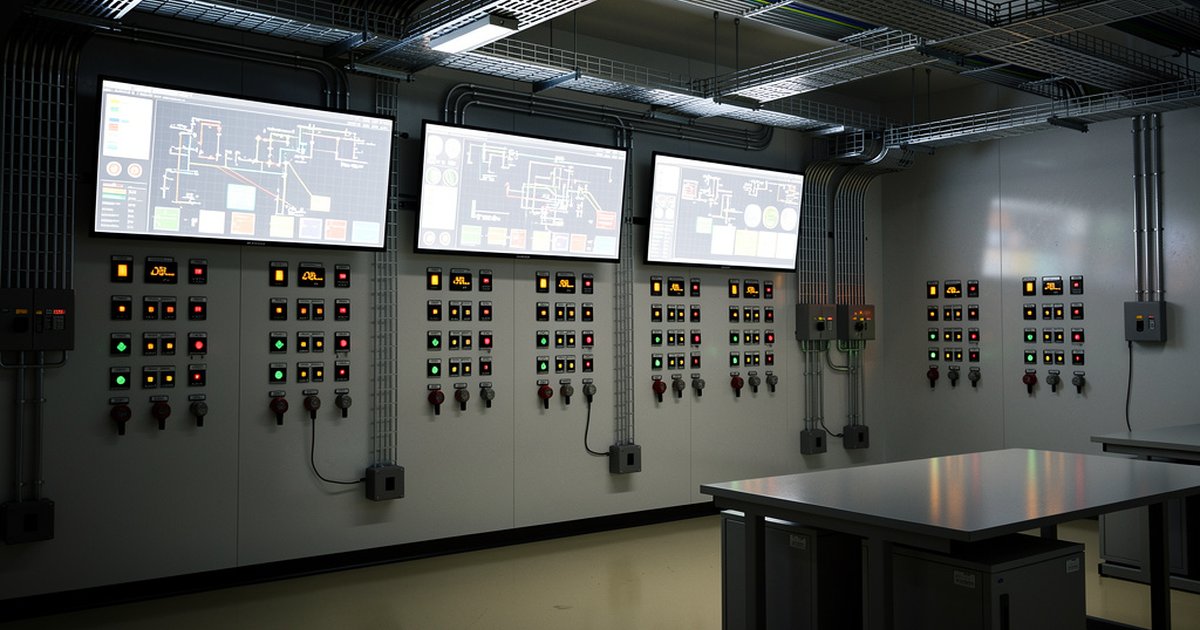
Detection is the trigger for everything. Loading racks typically use a combination of optical (UV/IR) flame detection and combustible gas detection at grade level, where vapors pool under the gantry canopy before a flame event. These detectors must be positioned to account for prevailing wind directions, vehicle obstruction of sensor sightlines, and the possibility of false-positive activation from vehicle headlights or roadway reflections. The detection-to-suppression activation logic — whether automatic or manual — must be clearly defined in the facility’s emergency response procedures and tested as part of commissioning.
Structural Fireproofing and Containment Engineering
Active suppression buys time; passive protection determines how much time there is to buy. Loading rack gantry structures are frequently exempt from fireproofing requirements that would be applied to process structure steel because engineers classify them as “open” structures where thermal exposure is considered transient. This reasoning is structurally sound in some configurations but fails when the gantry is enclosed on multiple sides, when overhead piping creates a confined vapor accumulation zone, or when the rack is located adjacent to a tank dike wall that reflects radiant heat back into the bay.
The fireproofing assessment for a loading rack should be scenario-based: define the credible design fire (pool fire size, duration, heat release rate), model the structural exposure using that scenario, and determine whether passive protection is required to maintain structural integrity for a defined time period. For racks handling higher-flash-point products with smaller pool fire scenarios, the structural risk may be manageable without fireproofing. For racks handling light naphtha, condensate, or LPG-adjacent products, the exposure can be severe enough to require full passive protection of critical structural members.
Containment engineering is equally important and frequently treated as a civil discipline problem rather than a fire engineering problem. The bund or impoundment area beneath a loading rack must be sized for the credible spill volume, graded to direct liquid away from the vehicle position and toward a remote drain or impoundment sump, and designed to prevent liquid from migrating beneath adjacent structures or vehicle traffic areas where a running-liquid fire could track to an unprotected area. The fire engineer must review the civil containment design, not simply accept it as given.
ESD Integration and Emergency Response Alignment
Emergency shutdown (ESD) integration at a loading rack is not optional. When a fire or gas detection event triggers, the response must include immediate isolation of the product transfer — stopping the loading pump, closing the bottom-loading arm actuated valve, and isolating the transfer header from the mainline. These actions must happen within a defined time window, either automatically through the safety instrumented system (SIS) or through a clearly sequenced manual procedure that drivers and operators can execute under stress.
The sequencing logic matters. If the suppression system activates before ESD isolation, foam application onto an active product release simply extends the duration of the hazardous event. If ESD isolation occurs but suppression activation is delayed, the fire grows unchallenged. The design of the detection-ESD-suppression activation sequence should be reviewed by both the fire protection engineer and the process safety engineer, with the activation logic documented in a cause-and-effect matrix and tested during commissioning under simulated fire conditions.
Emergency response planning for loading rack incidents must account for scenarios that standard facility ERPs often miss: a vehicle that cannot exit the bay due to driver incapacitation, a loading arm that cannot be disconnected because the vehicle is on fire, and concurrent activation of the suppression system with a vehicle present in the discharge zone. Foam discharge onto a driver exiting a burning vehicle cab is a survivable event; drivers who do not know suppression will activate automatically may not respond correctly. Pre-incident training and visible signage are engineering deliverables, not afterthoughts.
The Bottom Line
Loading racks and transfer stations are among the most operationally intense fire hazards in any liquid-handling facility. They combine high-volume flammable liquid transfer, occupied work areas, and vehicle presence into an environment where a single ignition event can escalate to a multi-fatality, multi-asset loss within minutes. The engineering response — foam-water suppression sized for the credible spill scenario, structural protection calibrated to the design fire, containment graded to control liquid migration, and ESD logic sequenced to isolate product before suppression activates — is well-understood. What is less well-understood is that each of these elements must be engineered as a system, not procured as a collection of off-the-shelf components.
Operators who treat loading rack fire protection as a compliance checkbox and specify generic systems without scenario-based engineering are accepting a risk that their insurance adjusters and safety regulators will eventually price correctly. The engineering is not complicated. The decision to do it properly simply has to be made.
Work With Ignis Sentinel Engineering
Need a fire risk assessment, a third-party plan review, or an NFPA/SAES
compliance check for your facility? Our engineers help Saudi and international
industrial operators design safer operations.